
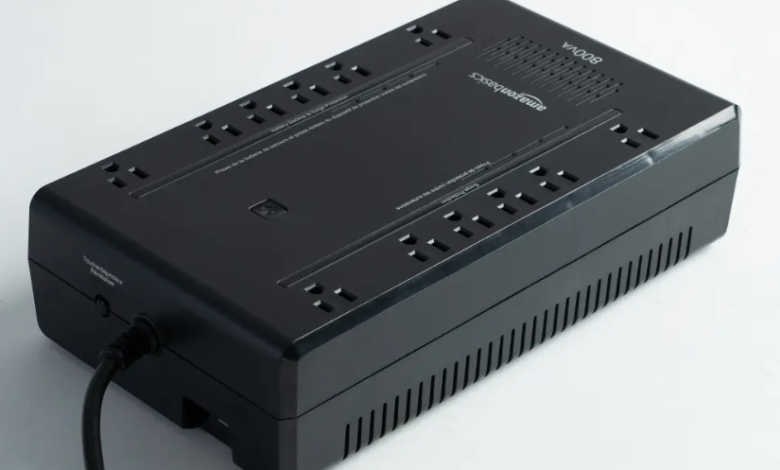
In today’s fast-paced world, where technology drives our personal and professional lives, maintaining a continuous power supply has become essential. Unexpected power outages can lead to data loss, equipment damage, and business interruptions. This is where a UPS uninterruptible power supply becomes a vital investment for homes, offices, and industrial environments.
What is a UPS Uninterruptible Power Supply?
A UPS (Uninterruptible Power Supply) is an electrical device that provides backup power to connected devices when the main power source fails or fluctuates. Unlike a generator, a UPS activates instantly to ensure that devices continue operating without interruption. It also safeguards equipment from power surges, voltage drops, and electrical noise, protecting sensitive electronics from damage.
See also: Enhance Your Home Internet Experience with the Right Broadband Connection
How Does a UPS Work?
A UPS typically consists of a battery, inverter, rectifier, and controller circuit. Here’s a simplified breakdown of how it functions:
- Normal Operation: During regular power supply, the UPS charges its internal battery while allowing electricity to flow to connected devices.
- Power Failure: When a power outage occurs, the UPS immediately switches to battery power.
- Voltage Regulation: Some advanced UPS models also regulate voltage and filter electrical noise to maintain stable power output.
- Recovery: Once power is restored, the UPS switches back to the main supply and recharges its battery for future use.
This rapid transition, often in milliseconds, ensures that computers, servers, and other electronics continue functioning without disruption.
Types of UPS Systems
UPS systems are designed to meet different needs and budgets. The main types include:
- Offline/Standby UPS: Ideal for home computers and small devices. It remains idle until a power failure occurs.
- Line-Interactive UPS: Provides voltage regulation and surge protection, suitable for small offices or home offices.
- Online/Double Conversion UPS: Offers continuous power from the battery, filtering out all power irregularities. This type is common in data centers and critical industrial applications.
Benefits of a UPS Uninterruptible Power Supply
Investing in a UPS provides several advantages:
- Protection Against Data Loss: Critical for computers, servers, and storage devices to prevent sudden shutdowns.
- Equipment Safety: Shields electronics from voltage fluctuations, spikes, and surges.
- Uninterrupted Operation: Ensures devices remain functional during short-term outages.
- Business Continuity: Prevents operational downtime in offices, hospitals, and industrial setups.
- Energy Efficiency: Modern UPS systems are designed to minimize power wastage while maximizing backup time.
Choosing the Right UPS
Selecting the appropriate UPS depends on factors such as:
- Power Capacity: Measured in VA (Volt-Amps) or Watts, it should exceed the total power consumption of connected devices.
- Backup Time: Determines how long devices can operate during an outage.
- Type of Load: Sensitive equipment may require a line-interactive or online UPS.
- Environmental Factors: Consider heat, humidity, and dust, which can affect UPS performance.
- Budget: Higher capacity and online UPS systems tend to be more expensive but provide better protection.
Maintenance Tips for a UPS
To ensure longevity and optimal performance:
- Regularly inspect and replace batteries according to the manufacturer’s recommendations.
- Keep the UPS in a cool, dry environment to prevent overheating.
- Test the system periodically by simulating a power outage.
- Keep vents and fans clean to allow proper airflow.
FAQs About UPS Uninterruptible Power Supply
Q1: Can a UPS fully replace a generator?
No, a UPS is designed for short-term backup and surge protection. Generators provide long-term power during extended outages.
Q2: How long can a UPS run on battery?
Backup time varies based on load and UPS capacity, typically ranging from a few minutes to several hours for high-capacity models.
Q3: Does a UPS need regular maintenance?
Yes, battery checks, cleaning, and occasional system tests are essential to ensure reliability.
Q4: Are all UPS systems suitable for sensitive electronics?
No, sensitive electronics require line-interactive or online UPS systems with clean, stable power output.
Q5: Can a UPS prevent damage from lightning?
It can protect against minor power surges, but severe lightning strikes may require additional surge protection measures.
Conclusion
A UPS uninterruptible power supply is an essential safeguard in our technology-driven world. Whether for home computers, office networks, or industrial machinery, a UPS ensures uninterrupted operation, protects valuable equipment, and prevents data loss. Choosing the right UPS, coupled with proper maintenance, offers peace of mind and uninterrupted productivity even in the face of unpredictable power interruptions. Investing in a reliable UPS is not just a precaution—it’s a necessity in today’s modern digital environment.